Charles Hoskinson’s Input Output has introduced nine treasury proposals as part of the firm’s bid to scale the Cardano network. One of these proposals focuses on scaling the network’s monthly transactions to 27 million by 2030 through the Leios upgrade.
Input Output Introduces ‘Consensus’ Proposal To Scale Cardano
Input Output stated that the Consensus proposal aims to deliver sustainable throughput capacity at the consensus layer while also shipping the Leios upgrade. The firm indicated that this proposal will help achieve the 2030 Vision, which aims to scale the network from 800,000 transactions per month to over 27 million.
“The consensus layer is where that capacity is delivered, and Leios is the mechanism purpose-built to get there,” the proposal read. Input Output noted that the Leios upgrade will introduce Ebdorser Blocks and committee-based validation to deliver a 10 to 65x increase in throughput for Cardano, without compromising decentralization or crypto staking pools on the network.
The firm added that this proposal is about building the capacity Cardano needs to become the “trusted foundation” for DeFi and leading RWA tokenization platforms, and ensuring the network generates enough fees to be self-sufficient. Meanwhile, the firm is pushing this treasury proposal to continue Leios development from the current budget cycles, which will conclude in June as the upgrade goes on the network.
Furthermore, Input Output is targeting a mainnet launch for the Leios upgrade by the end of the year. “The slate delivers the performance, security, and capability upgrades needed to move Cardano into its next phase,” the firm said in an X post.
It is worth noting that the Consensus proposal is one of nine proposals that Charles Hoskinson’s firm has put forward this year. Voting on these proposals is already open and will close on May 24. The firm is seeking 27.7 million ADA from the treasury for the consensus proposal.
Other Proposals Put Forward by Input Output
The other eight proposals put forward by Input Output focus on developer experience, Layer-2 scalability, Cardano high assurance, maintenance, Plutus, decentralized data infrastructure, Bitcoin DeFi, and economic models.
Notably, the ‘Cardano upgrades’ proposal centers around three platform-level enhancements that will expand the top Layer-1 network’s economic models and remove onboarding friction. They include account address upgrades, multi-asset treasury, and ‘Babel Fees.’
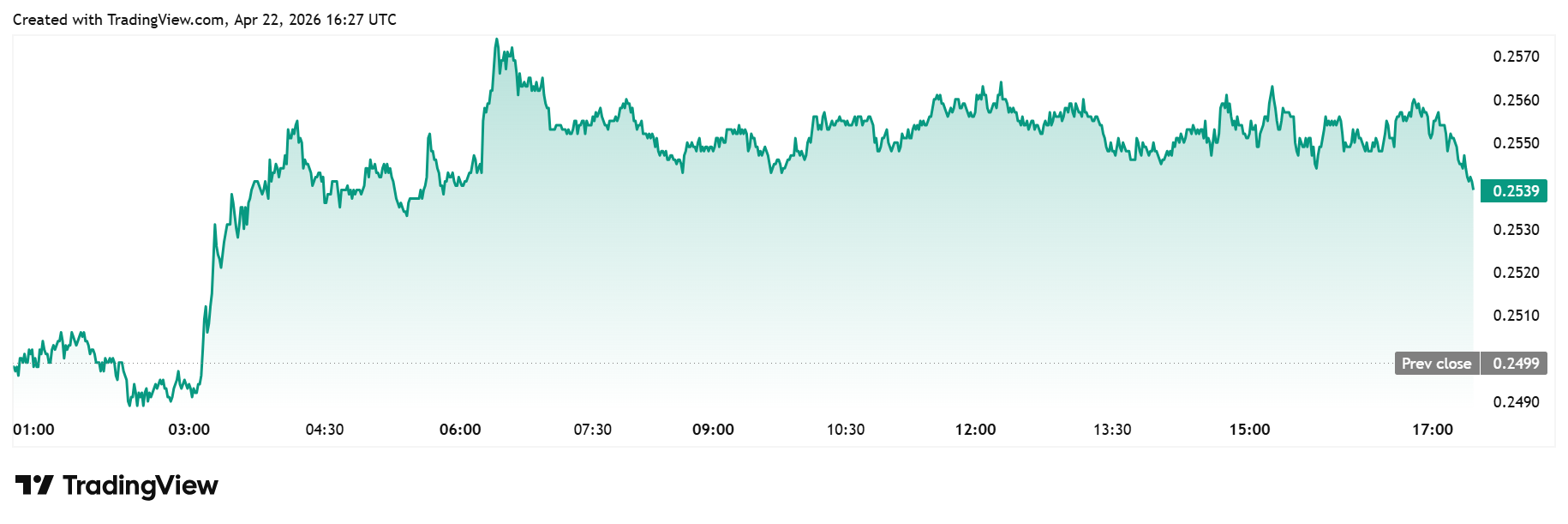
Babel Fees will enable users to pay transaction fees with other Cardano-native assets besides ADA. Input Output noted that this will eliminate the need to hold ADA. The ADA price is notably up over 2% amid these proposals to scale the network, trading at around $0.25, according to TradingView data.