| Disclaimer: This article is a sponsored post provided by a third party. It is not part of editorial content and should not be considered financial advice. |
By Ethan Cole
March 26, 2026
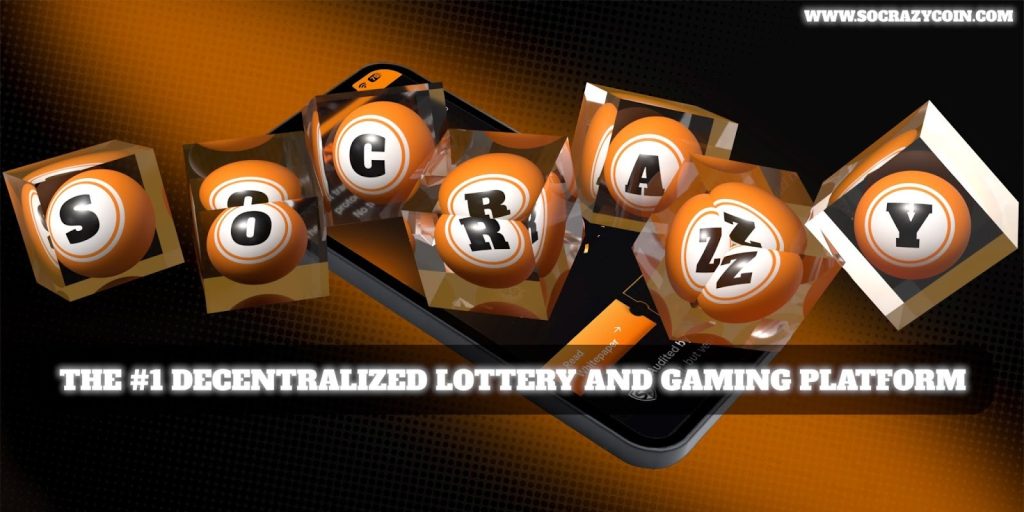
The Web3 gaming sector is crowded with projects promising fairness and decentralization, but many still rely on centralized systems for core game logic, payouts, or custody. SoCrazy is entering the market with a different proposition: a fully on-chain GambleFi protocol on Solana built to support transparent, non-custodial lottery and gaming experiences. According to the project’s whitepaper, SoCrazy’s model centers on executing gameplay, randomness, and payouts directly through smart contracts rather than off-chain operators.
At the heart of the ecosystem is the CRAZY token, which is designed to power game participation, governance, staking incentives, and broader ecosystem activity. The whitepaper presents SoCrazy not just as a single dApp, but as a modular protocol intended to support players, liquidity providers, and developers through shared gaming infrastructure. That broader framing gives the project a different profile from many token launches that focus only on short-term hype.
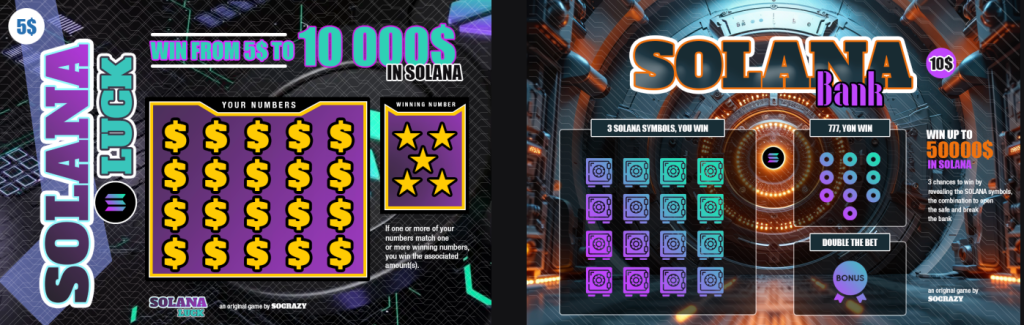
The project’s first application is a fully on-chain scratch-card lottery. Instead of mimicking legacy online casino systems with a blockchain wrapper, SoCrazy says each ticket purchase, outcome, and payout is handled on-chain, visible on a self-made explorer. The whitepaper also outlines additional formats beyond scratch cards, including stablecoin-based tickets, SOL-denominated gameplay, and future PvP experiences such as crash, shifoumi, and coin flip.
That focus on verifiability is central to SoCrazy’s pitch. In its whitepaper, the project argues that many existing crypto gambling platforms still leave users dependent on private servers, operator-controlled funds, and delayed payouts. SoCrazy’s answer is a non-custodial structure where trust is placed in public smart contracts and transparent liquidity mechanics.
From a token sale perspective, the numbers are aimed squarely at early participants. The whitepaper states that the CRAZY token has a total supply of 777,777,777, with 70% allocated to the presale and 15% reserved for DEX liquidity. The listed hard cap is $3.5 million, while the projected DEX listing price is $0.0077. The staged presale structure is designed to reward earlier entries with discounted pricing before the public market phase.
>> Visit the Official SoCrazy ICO <<
Technology is another major part of the narrative. SoCrazy is built on Solana and uses the Anchor framework, which the team says supports fast execution, low transaction costs, and direct on-chain settlement. In a category where latency and fees can affect user experience, Solana’s throughput is clearly part of SoCrazy’s competitive thesis.
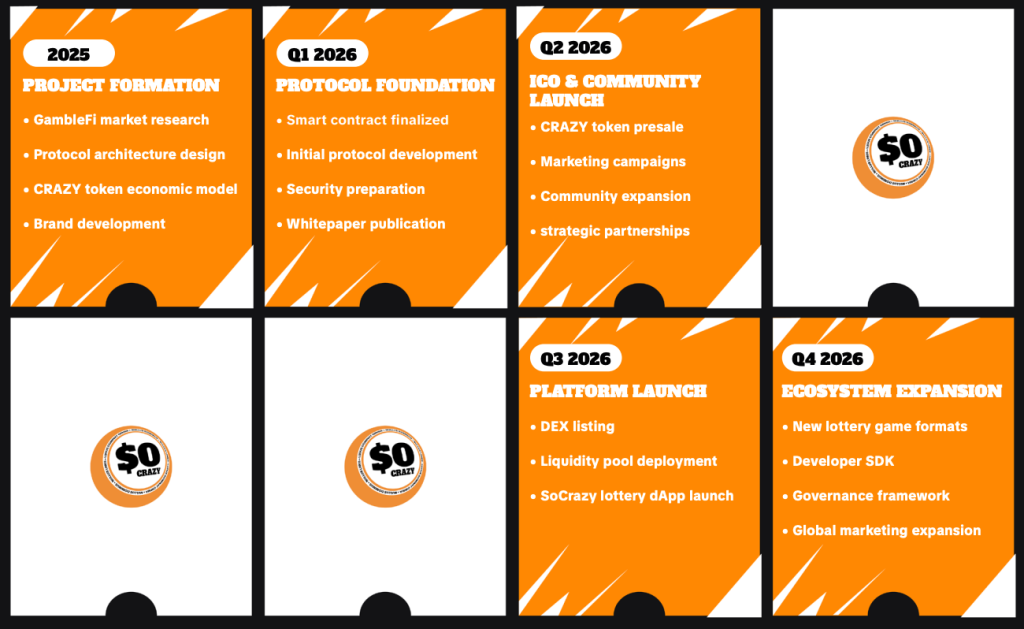
The roadmap in the whitepaper points to a phased buildout: protocol formation, ICO and community growth, dApp launch, DEX listing, liquidity deployment, and eventual ecosystem expansion with new game formats, developer tooling, and governance. The long-term vision presented is ambitious: to evolve from a single gaming product into a broader infrastructure layer for decentralized gambling applications.
In that sense, SoCrazy is trying to position itself in a more specialized lane than the broader crypto casino market. Rather than competing by stacking traditional casino games onto a token, it is presenting itself as a lottery-first, trust-minimized protocol tailored for Web3-native users. That narrower focus could help it stand out in the emerging GambleFi segment, especially among participants who care about transparent execution over flashy front ends.
With presale momentum building and the project framing itself as a new foundation for on-chain lottery mechanics, SoCrazy is aiming to attract both speculative buyers and users who want blockchain gaming systems to operate exactly as advertised: in public, on-chain, and without custodial middlemen. For those tracking early-stage Solana gaming projects, SoCrazy is one of the names attempting to turn that vision into a dedicated protocol rather than just another token launch.
| Disclaimer: The text above is an advertorial article that is not part of Coincu.com editorial content. |