Decentralized Exchanges (DEXS) like Uniswap, dYdX, and other DeFi platforms allow you to fully have control over your money. You don’t need any intermediary, a bank or any other third party to hold your assets on your behalf. When you want to trade, you can do it directly from your crypto wallet. Some platforms even go further to let you add liquidity or trade features.
However, this kind of freedom is accompanied by responsibility. This is because DEXs operate on smart contracts, autonomous code that controls your assets on the blockchain. Should these contracts contain flaws and then be overlooked, problems can occur, such as financial losses for users.
This is the reason there is great emphasis on the importance of security audits. An audit involves independent experts reviewing code to find weaknesses before attackers do.
The problem? Not all audits are equal. Many hacked protocols had audits. They just weren’t thorough, or the warnings were ignored. It is important to know how to read and interpret an audit report. Doing this can help you avoid the usual red flags before you invest a single penny. Let’s dive into actually understanding this.
What is a DEX Security Audit Report?
A DEX security audit report is an assessment carried out by independent, third-party security experts. Usually, auditors analyze a smart contract code of a decentralized exchange to identify any flaws in its design, bugs or any loopholes in the system that attacks can exploit. The aim is to ensure user funds are properly protected.
A small mistake can lead to serious losses. That’s why you will find these reports to be long and technical. Another reason why users need assistance in understanding them.
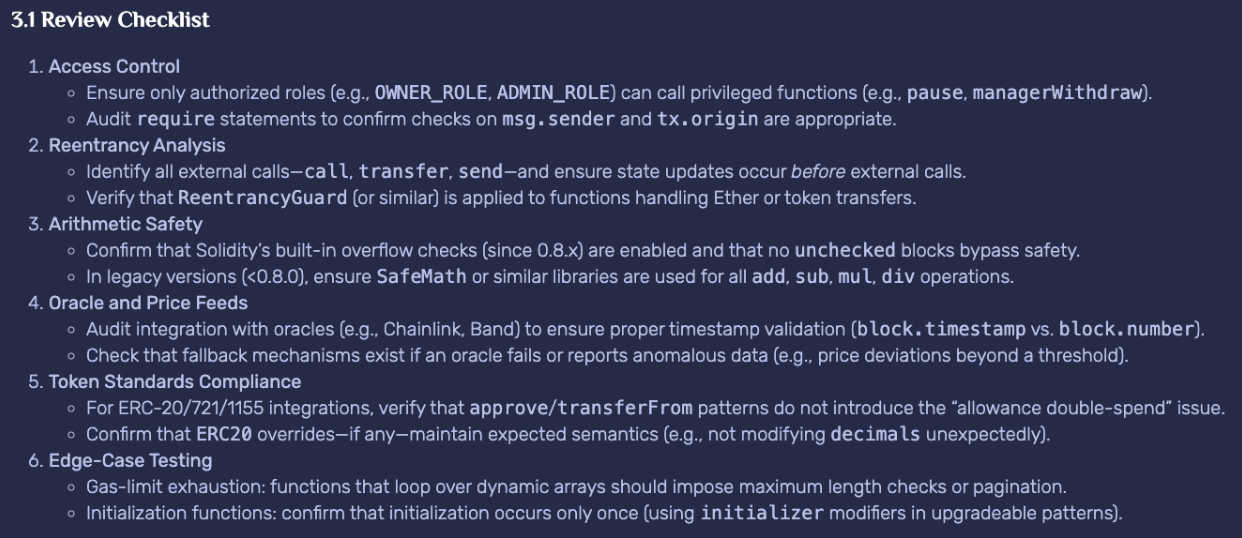

For DEXs, this usually includes checking the following:
- Swap logic (how trades are calculated)
- Liquidity pools
- Price oracles (where prices come from)
- Admin controls
- Futures or liquidation logic, if applicable
So, what is explained in audit reports? In most cases, you will find
- The Scope – This entails which contracts and versions were reviewed
- Methodology – Involves manual code review, automated tools, and testing
- Findings- These are problems ranked by severity
How Issues Found are Usually Grouped?
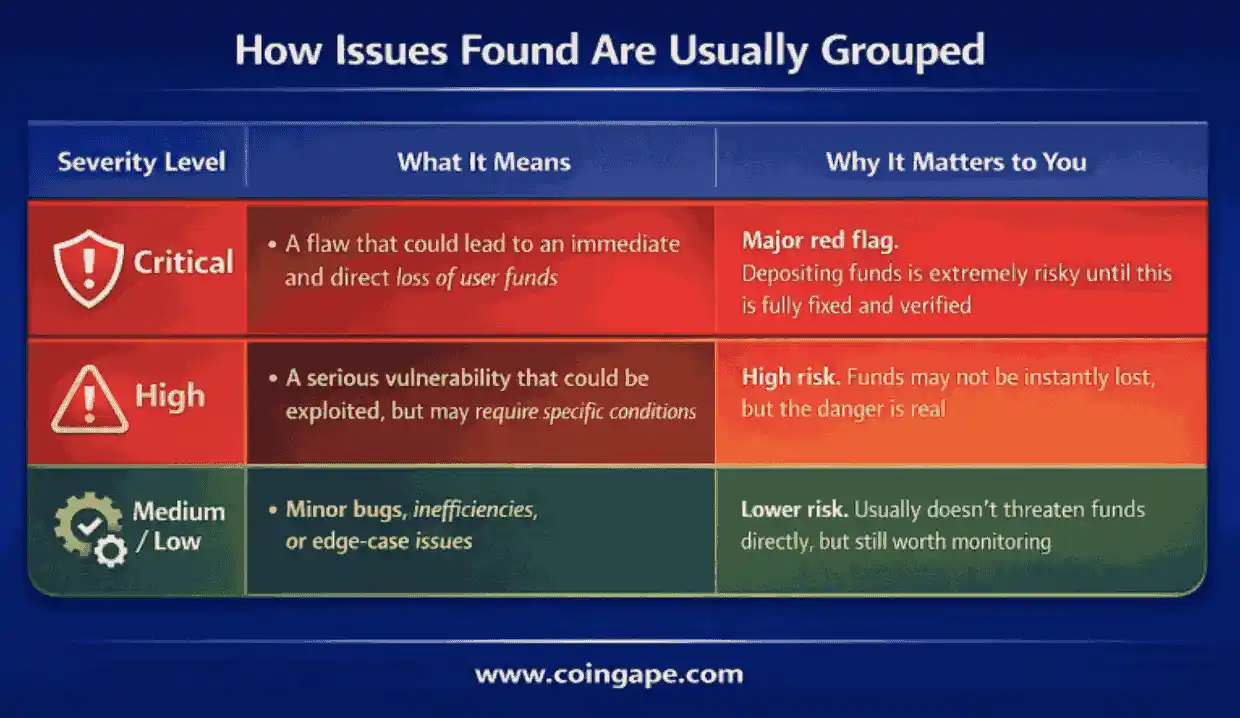
A solid audit also shows how issues were fixed and whether auditors confirmed the fixes.
Important reality check:
An audit doesn’t necessarily guarantee safety. After the audit, the code can change, or even have risks coming from external dependencies. However, you can see a dramatic lowering of the odds of something going wrong after a good audit.
The Auditor’s Reputation Counts More Than the Report’s Length
An audit report of around 40 pages or more doesn’t mean anything if the auditor cannot be trusted. Highly reputable audit firms have public track records, clear reports, and long histories with major DeFi protocols.
We have CertiK, Hacken, Cyfrin, ConsenSys Diligence, and Sherlock as the most popular ones. Usually, they have a portfolio consisting of reports they have completed, as evidence of their experience in the industry.
However, you can’t trust every auditor. Below are red flags you can watch out for:
- Auditors no one know nothing about
- Audits that are only summarized ins one page.
- General reports that look like they were copied from another source.
Additionally, if you can’t find the auditor’s past work or reputation, that’s already a warning sign.
What are the Most Important Sections to Look At First?
You don’t need to read every line of code to learn a lot from an audit report. Here is what to look at:
1. Executive Summary
Start here. You’ll get a quick view of what they checked, how long it took, and if the auditors felt confident or cautious. Audits take time, and those that take just a few days to complete may miss out on very important issues.
2. Overview of the Scope
The scope tells you exactly which parts of the DEX were audited. This is one of the most important sections to read. Audit reports do not always cover the entire protocol. Sometimes, only certain smart contracts are reviewed. If key parts are missing, those areas may still contain unknown risks.
3. Findings
This section is the heart of the report. Pay close attention to:
- Any critical or high-severity issues
- Whether they were fixed
- Whether auditors verified the fixes
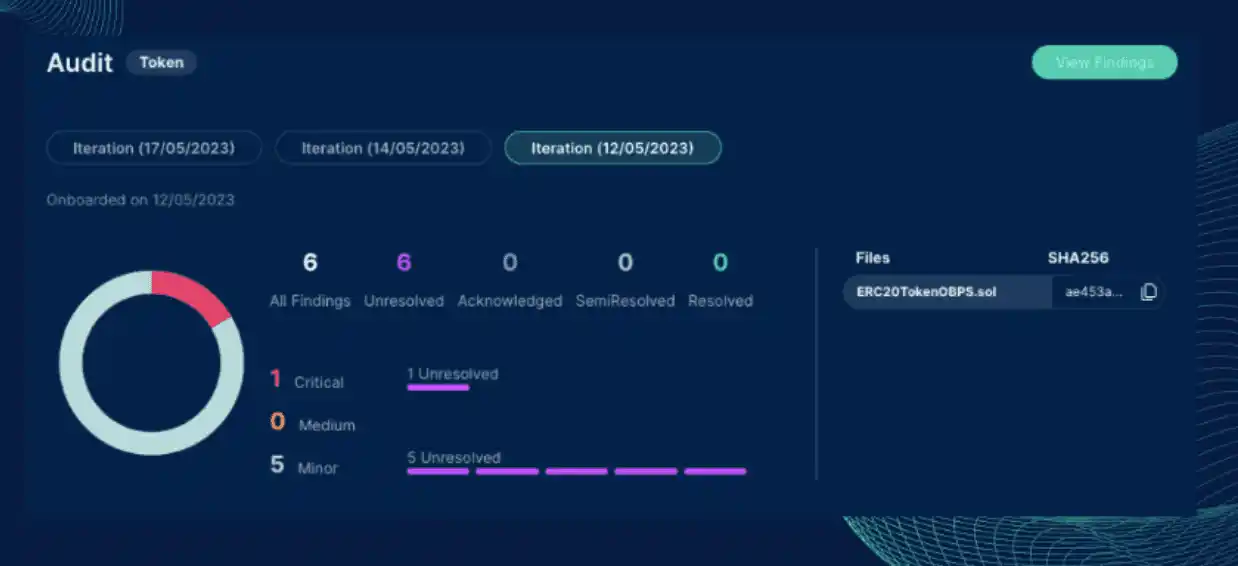
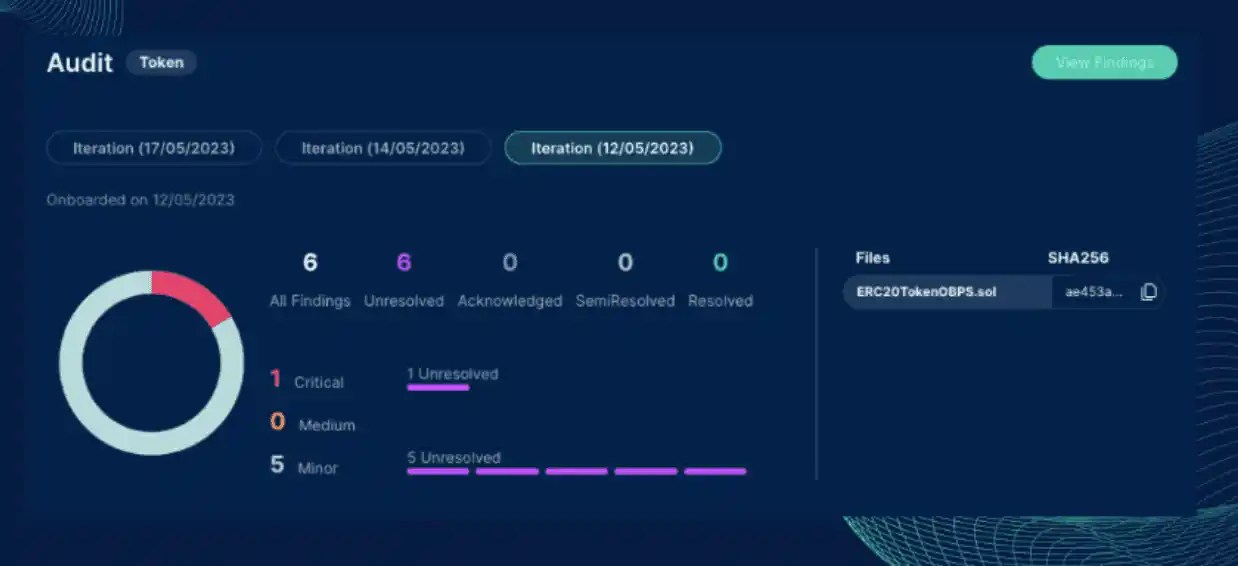
If critical issues are still unresolved, or brushed off without a strong explanation, that’s a big red flag.
4. Audit Relevance Check
To do this, match the audit report’s commit hash or contract version with the contracts on Etherscan. If the code changed after the audit, the protection is not guaranteed.
Also Read – List of Popular Perpetual Futures DEXs
Common DEX Risks You Should Expect to See Addressed
Most decentralized exchanges face a similar set of security risks. A proper audit should clearly explain how the DEX addresses these known risks, not just say it was “reviewed.”
The OWASP Smart Contract Top 10 (2025) highlights the most common issues found in DeFi protocols. Below is what they mean in plain terms:
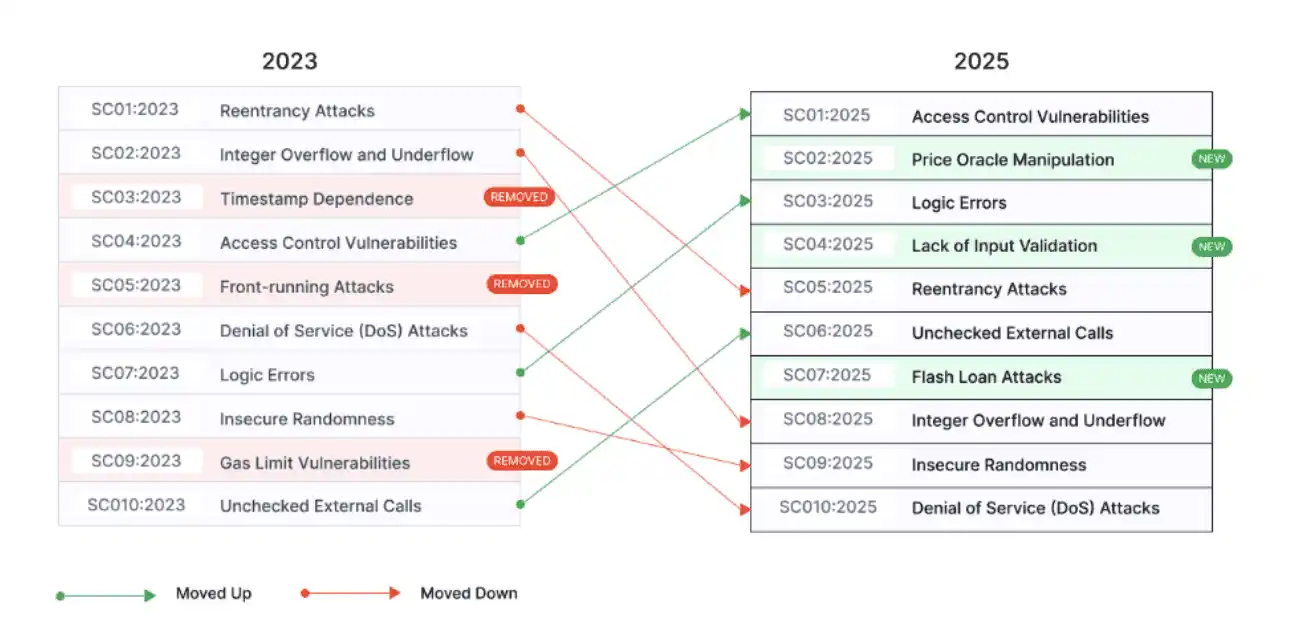
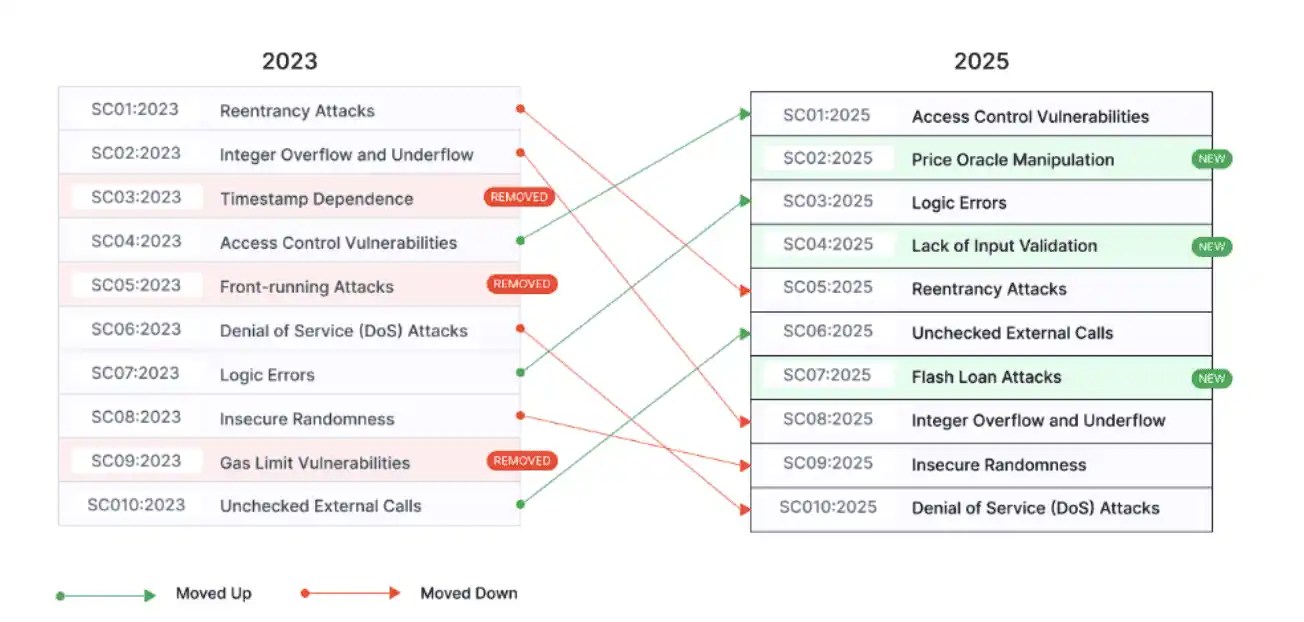
- Access control problems: Attackers can get hold of special admin permissions, which they can use to prevent withdrawals, change contracts or even transfer users money directly.
- Price oracle manipulation: To execute trades, liquidations or future positions successfully, DEXs need data on prices. Attacks can manipulate prices in the system or even feed false information. In the end, unfair trades take place, or traders unexpectedly lose funds.
- Reentrancy attacks: Sometimes a smart contract can be tricked into sending funds several times before it updates the actual balances. In just one transaction, attackers can repeatedly withdraw funds and drain the contract.
- Flash loan exploits: In this case, attackers can borrow a large amount of money instantly. A decentralized exchange with weak liquidity checks or pricing allows the attackers to use these flash loans to manipulate markets and extract profits, while users lose their funds.
- Logic and calculation errors: Swap formulas can generate errors, as well as liquidation logic, calculation errors of rewards and fee distribution. This results in unexpected losses, incorrect payouts, and long-term instability of the protocol.
These Red Flags Should Make You Stop and Think
Some warning signs are tough to overlook once you spot them. This includes:
- No public audit, or just a brief marketing summary
- Serious or major problems left unfixed
- Too much hype without real technical details
- Auditor with no known history
- Deployed contracts that don’t match the audited code
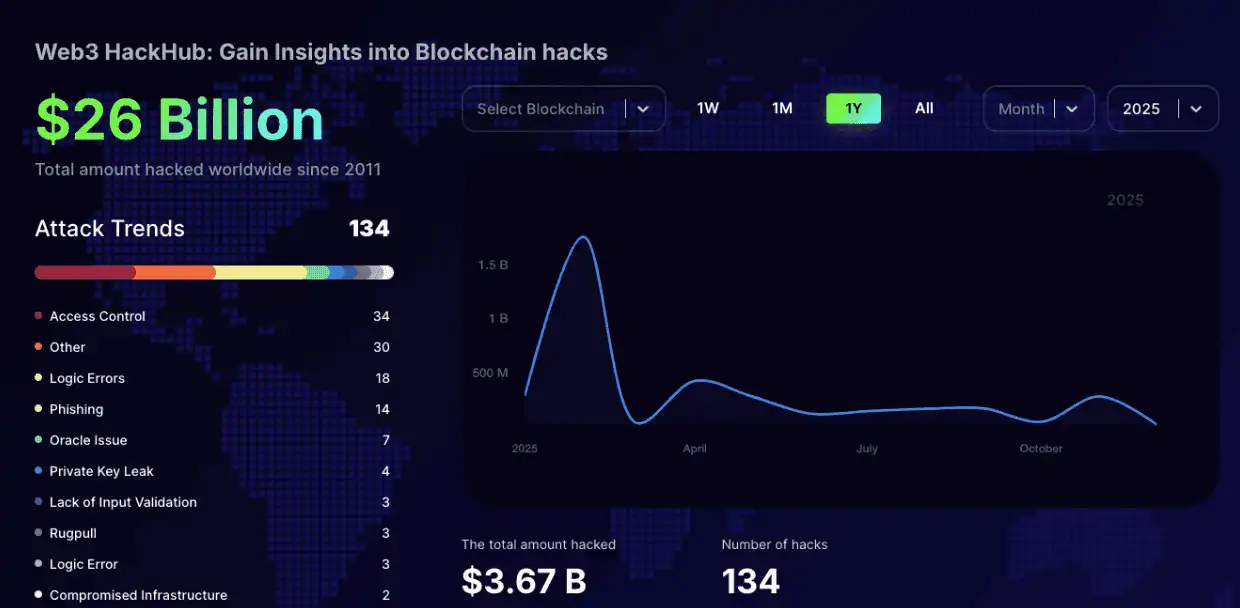
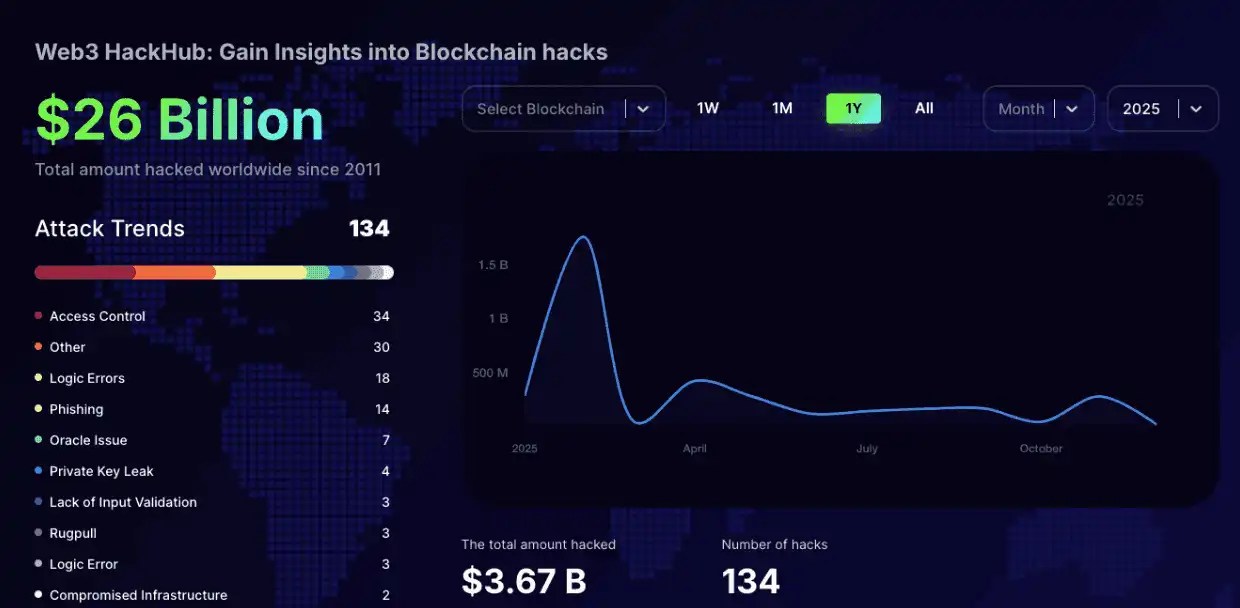
Even audited protocols can still fail if teams ignore recommendations or make changes later. In fact, a large share of DeFi hacks still involve projects that either had no audit or relied on weak ones. According to Solidityscan, in the past year alone, around $3.67 billion was hacked from 134 hacks.
A Simple Checklist Before You Trust an Audit
Before you deposit funds, take a few minutes to:
- Verify the auditor’s reputation
- Read the executive summary
- Confirm what contracts were actually audited
- Focus on critical and high-severity findings
- Check if fixes were verified
- Look for any post-audit upgrades or incidents
- Cross-check the project on DeFiLlama or Rekt. news
- You don’t need to be a developer to spot obvious risks. You just need to slow down and be curious.
Final Thoughts
Checking DEX security reports can seem scary at first, but it’s one of the best ways to keep your money safe in DeFi. You don’t need to get every technical detail, but just enough to spot good audits, responsible teams, and clear red flags. No protocol is 100% safe. But users who know what’s going on make fewer costly errors. Look into things yourself, trust but check, and keep in mind: in DeFi, security is part of what you’re investing in.
Additional Resources
- Top Crypto Futures Trading Platforms – CoinGape
- Coingecko Smart Contract Audit
- Aster DEX Security Checklist
- DEX Security Wiki
Source: https://coingape.com/blog/how-to-read-a-dex-security-report/