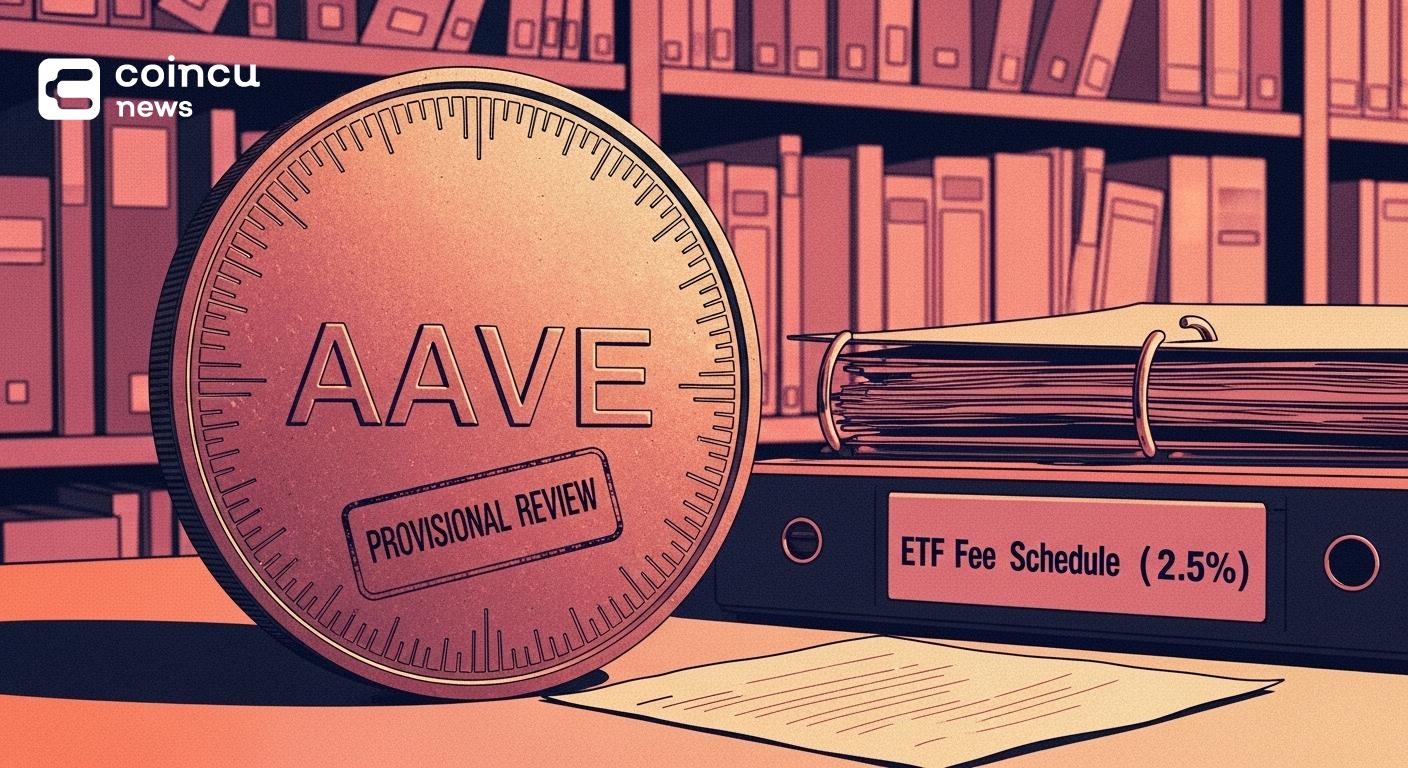

Grayscale proposes converting its AAVE Trust into a spot ETF
Grayscale is seeking to transform its existing AAVE Trust into a spot exchange-traded fund that would hold Aave (AAVE) directly. The proposed structure would migrate an over-the-counter trust format into a 1940 Act-style exchange listing overseen by the u.S. Securities and Exchange Commission (SEC).
The move tests whether a DeFi governance token can fit within U.S. exchange-traded product conventions. It signals an attempt to broaden access to AAVE through a regulated wrapper while making clear that a proposal does not imply approval.
Why it matters: 2.5% fee, SEC scrutiny, market viability
According to ainvest.com, Grayscale submitted an AAVE Trust S-1 filing to convert the vehicle into a spot ETF, proposing a 2.5% sponsor fee, targeting NYSE Arca for listing, and designating Coinbase for custody. The report also notes the trust’s assets under management are small (under $1 million), underscoring scale and liquidity headwinds in any launch phase.
Fee-sensitive investor behavior and SEC scrutiny are central. The sponsor fee directly affects tracking drag, while governance-token features elevate questions around token classification, custody controls, and creation/redemption mechanics under federal securities laws.
“As reported by CNBC, trust conversions with relatively high fees tend to lose out to cheaper alternatives.” The outlet’s coverage of prior crypto trust-to-ETF transitions suggests fee competition can shape post-conversion flows.
The S-1 review typically proceeds through iterative SEC staff comments that seek enhanced disclosures on material risks and operational design. For a spot crypto ETF, that often includes how custody is structured, how creations and redemptions will work, and how conflicts are mitigated.
On listing, NYSE Arca provides the exchange venue and market-making framework. The application’s designation of Coinbase for custody concentrates attention on asset segregation, control attestations, and incident response standards that can withstand regulatory diligence.
Liquidity will rely on authorized participants and market makers to facilitate orderly primary-market activity. Given the trust’s modest starting scale, spreads, inventory financing, and borrow availability could initially constrain flow, even before broader questions of token classification and protocol risk are addressed.
Regulatory path and governance-token considerations
S-1 focus areas: custody, redemption, and token classification
Expect detailed disclosure on cold/hot wallet arrangements, segregation of client assets, and audit pathways for on-chain holdings. Clarity on cash versus in-kind creations and redemptions will matter for operational resilience and tracking error.
Classification remains pivotal. Governance and utility characteristics of AAVE do not map neatly to bitcoin or ether precedents, so the filing will likely emphasize economic exposure, not protocol control, to align with ETF norms.
Viability signals: small AUM, market liquidity, and sponsor fee
Sub-scale AUM at launch can limit seed depth and delay secondary-market tightness, raising early tracking and spread variability risks. The proposed 2.5% sponsor fee also increases the hurdle for net returns versus lower-cost crypto exposures.
At the time of this writing, Coinbase Global (COIN) changed -0.23% after-hours to $163.95, based on Nasdaq real-time price data. This is contextual market background, not an indicator of ETF approval prospects.
FAQ about Grayscale AAVE ETF
What is the likely SEC review and approval timeline for an AAVE ETF?
Timelines vary; initial S-1 cycles often take months with iterative SEC comments. Approval, if any, would follow satisfactory disclosures. Dates are not guaranteed.
How does the proposed 2.5% sponsor fee compare to other crypto ETFs and what could it mean for investor flows?
At 2.5%, it is high versus many bitcoin or ether ETFs. Higher ongoing costs can deter price-sensitive investors and may constrain early inflows absent compelling differentiation.
| DISCLAIMER: The information on this website is provided as general market commentary and does not constitute investment advice. We encourage you to do your own research before investing. |
Source: https://coincu.com/news/aave-faces-sec-review-as-grayscale-files-2-5-fee-etf/