March 2026 saw a sharp spike in crypto hacks, with scammers amassing about $52 million across major attacks. While the numbers alone are alarming, the bigger concern lies beneath the surface. These attacks didn’t just cause isolated losses, but they exposed a growing risk spreading quietly across DeFi, now being referred to as “shadow contagion.”
March Crypto Hacks Surge 96%
In an X post earlier today, blockchain security company PeckShieldAlert shed light on the growing number of crypto hacks. In March alone, the industry saw a massive spike of 96% in security breaches.
Notably, the month saw about 20 separate crypto hacks, with total losses reaching around $52 million. This marks a sharp rise compared to February’s $26.5 million. In January, the layer-1 protocol Saga led the crypto hacks with $7 million losses. According to PechShieldAlert, while the rise is concerning, the bigger issue is what’s happening behind the scenes.
The platform added that the real impact goes beyond the initial losses. These attacks are triggering what experts call “shadow contagion,” where the damage spreads quietly across connected DeFi platforms. Instead of staying isolated, one exploit can create a ripple effect, causing bad debt, liquidity stress, and unexpected losses in other protocols, even if they weren’t directly hacked.
Unveiling Top Hacks Behind March’s Crypto Losses
Further, PeckShieldAlert unveiled the major crypto security incidents that contributed to the overall losses in March. Some of the biggest losses came from a mix of technical flaws and human-targeted attacks.
For example, ResolvLabs faced a major issue when a breach in its AWS key system allowed attackers to create a huge amount of USR tokens out of thin air. This caused the token to crash by nearly 80%. This left connected platforms like MorphoBlue, Euler, and Fluid dealing with bad debt.
The Venus case stands out as attackers employed a combination of on-chain and off-chain techniques to breach system security. This resulted in a loss of over $2 million.
The attackers also used code-based attacks together with additional methods to conduct their operations. Sillytuna suffered a loss of approximately $24 million as the attackers used both physical access and smart contract manipulation to execute their attack.
While PeckShieldAlert revealed these crypto hacks, CoinGape recently reported an increase in US-Iran war-related scams. The X platform has become a target for scammers who use war-related panic to market fake tokens.
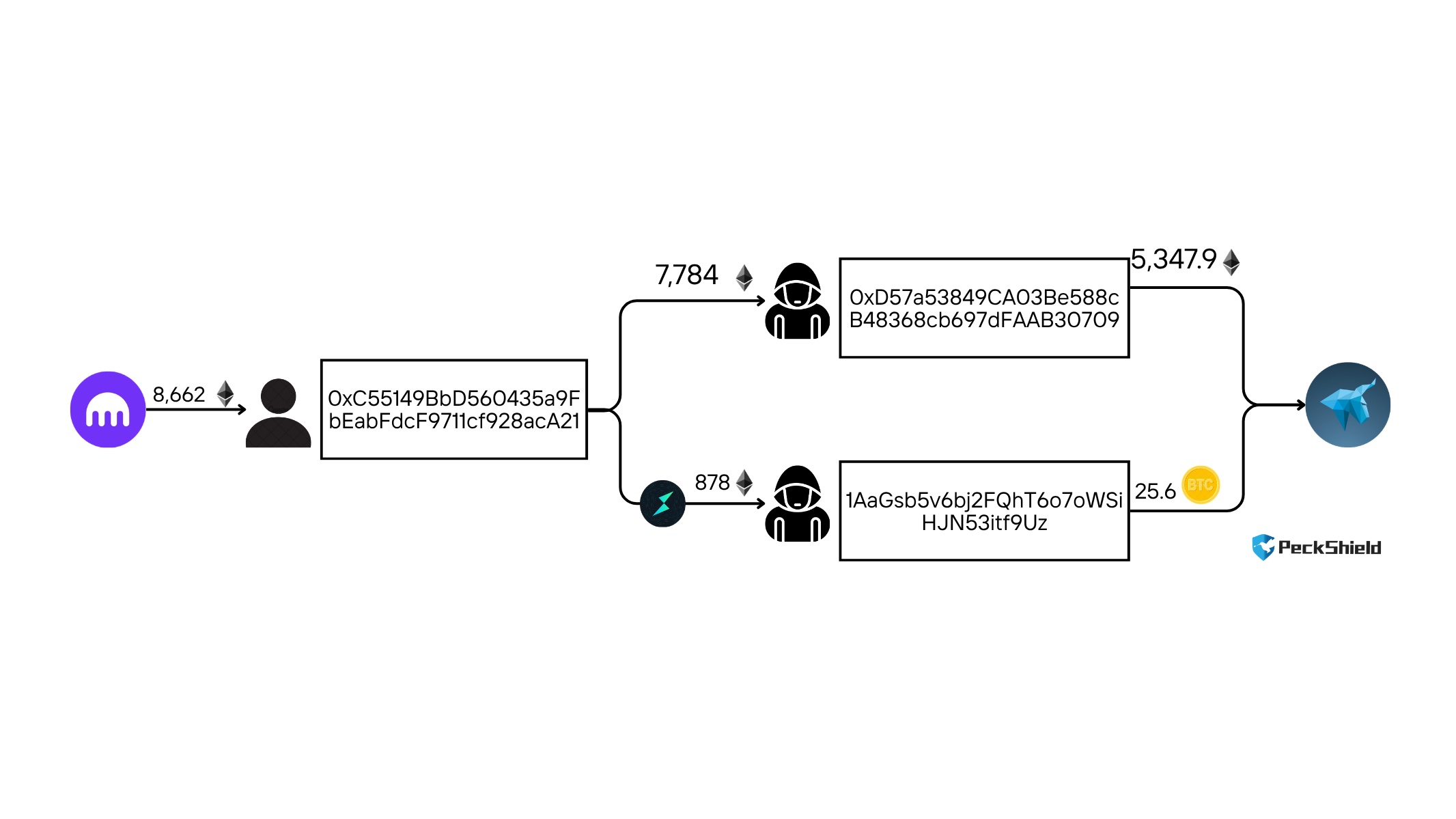

A Kraken whale suffered an $18 million financial loss, with social engineers successfully executing their targeted attack. Together, these incidents show that threats in crypto are no longer just technical—they’re also deeply human.
CertiK Report Highlights Q1 Losses
The CertiK report revealed that hackers, phishers, and scammers caused financial losses in March, which reached approximately $59.5 million. The recovery process succeeded in reclaiming only a small portion, which amounted to approximately $21,900. The majority of financial losses resulted from security breaches through wallet theft and phishing scams, which together accounted for more than 80 percent of total financial losses.
Q1 2026 saw a total loss of $501 million, which resulted from 145 separate incidents. The current figure is lower than Q1 2025, which recorded $1.67 billion. A majority of this was caused by the Bybit hack. The current security situation for cryptocurrency remains a significant problem, as the current year shows limited improvement when the Bybit incident is excluded.
Source: https://coingape.com/52m-crypto-hacks-in-march-trigger-shadow-contagion-across-defi-peckshieldalert/