A Fed rate cut could become more likely if the United States expands its military involvement in Iran, according to BitMEX co-founder Arthur Hayes. In a March 1 essay, the BitMEX co-founder wrote that prolonged conflict in the Middle East has historically led the Federal Reserve to adopt a loose monetary policy.
Hayes Links Middle East Conflicts to Fed Rate Cut Cycles
In his latest Substack post, Hayes highlighted that military actions by the United States in the region over the past four decades have been followed by a series of rate reductions and an expansion of liquidity. The longer the United States is embroiled in an expensive conflict, the higher the probability that the Fed will respond by lowering rates and increasing the money supply.
To illustrate this point, Hayes used the example of the 1990 Gulf War. Hayes cited the minutes from the Federal Reserve’s Federal Open Market Committee’s August 1990 meeting, which noted that events in the Middle East had significantly complicated the formulation of an effective monetary policy. Rate reductions followed later in 1990, according to the historical records referenced by Hayes.
The BitMEX co-founder used another example from the Fed’s unscheduled September 2001 meeting after the September 11th attacks on American soil. At the time, Fed Chairman Alan Greenspan lowered interest rates by 50 basis points to address the crisis. The Fed cited the high degree of fear and uncertainty permeating market conditions.
The same scenario may play out if the conflict with Iran continues to escalate. Hayes believes that the probability of a Fed rate cut would increase, which would have an effect on Bitcoin and other risk assets. However, as CoinGape reported, Federal Reserve Governor Chris Waller said his support for a March Fed rate cut will largely hinge on the February jobs report.
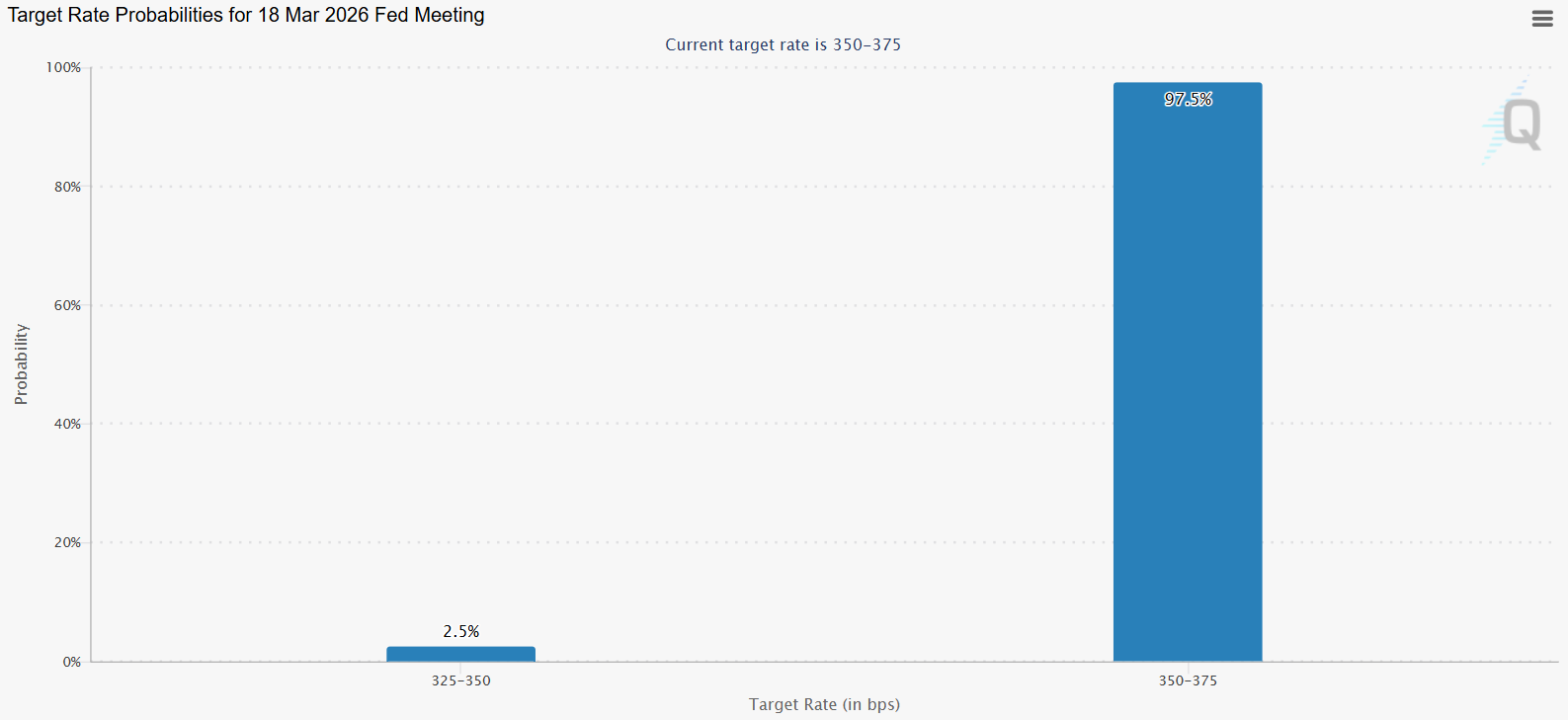
CME FedWatch data now reflects a 2.5% chance that the Fed will cut rates by 25 basis points at the March FOMC meeting. Earlier this week, the probability stood at 18%.

Bitcoin Volatility Amid Iran Escalation
The cryptocurrency market responded quickly to recent geopolitical events. The crypto market crashed as escalating U.S.–Iran war tensions triggered a broad risk-off selloff. Bitcoin dropped from $66,000 to around $63,600 within minutes of receiving the first reports of strikes.
The drop was followed by an equally rapid recovery. The Bitcoin price quickly rose to above $67,000 later that evening after news broke out regarding the death of Iranian Supreme Leader Ayatollah Ali Khamenei. As of the current time of writing, Bitcoin is trading around $68,800.
However, Hayes explained that investors should not focus on current market trends and should look forward to the policies that might shape the market. Hayes explained that since 1985, U.S. presidents have engaged in wars in the Middle East, and policymakers have addressed the financial impact by printing more money.
The BitMEX co-founder explained a simple heuristic investors can use to determine the future direction of Bitcoin. Hayes stated that the financial burden of nation-building would force a Fed rate cut.
Bitcoin price has lost five consecutive months, a run not seen since 2018. The digital currency dropped by almost 15% in February alone. The duration of U.S. involvement and market tolerance for stress remain uncertain. Hayes recommended patience and suggested taking positions only after a Fed rate cut and renewed money printing.
In an X post, analyst Ted stated that Bitcoin broke below the $66,000 level. Ted explained that this breakdown indicates weakness in the near-term Bitcoin price structure. He further explained that Bitcoin might fall to around $64,000 before attempting to recover.
Source: https://coingape.com/fed-rate-cuts-more-likely-if-u-s-iran-conflict-extends-hayes-predicts/