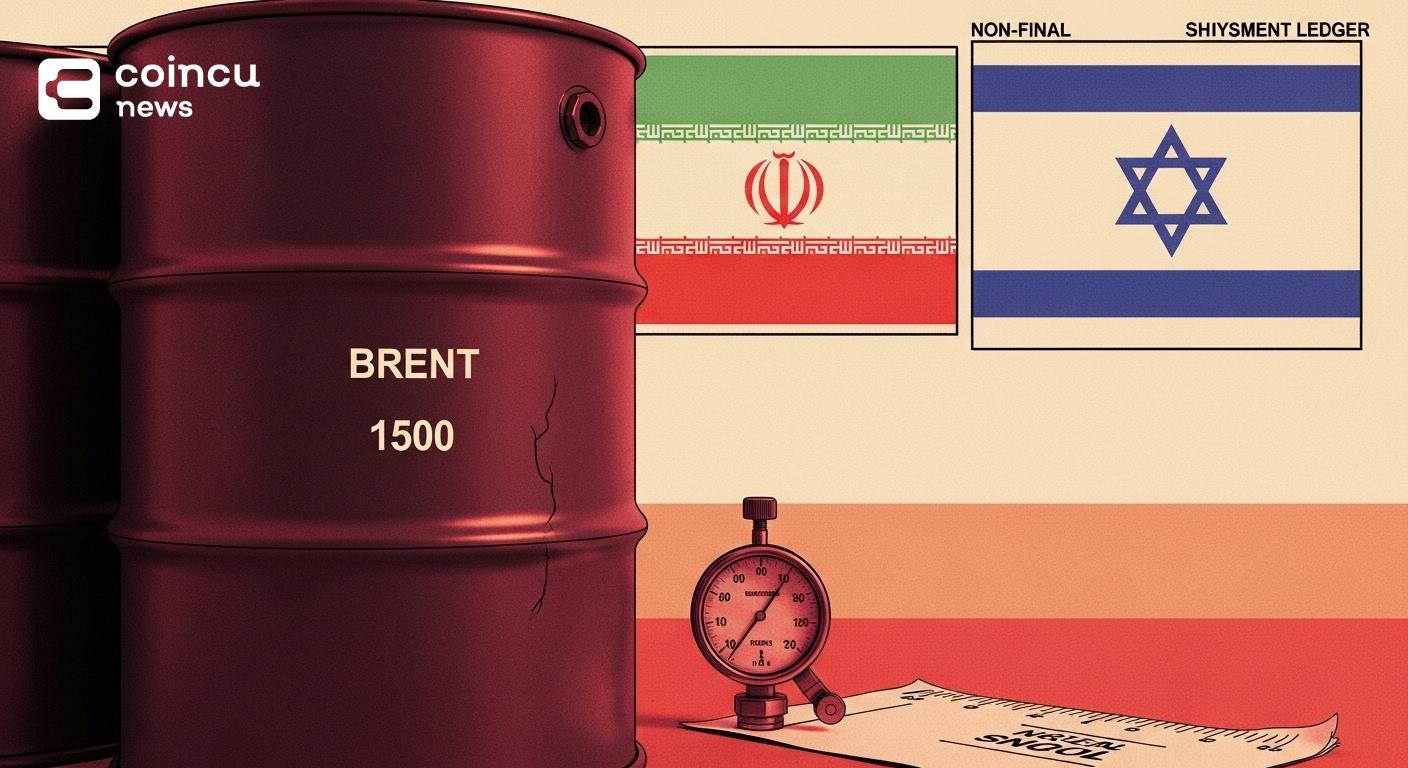

U.S.–Iran oil shock is lowering June Fed rate cut odds
The U.S.–Iran conflict has triggered oil-market volatility, and investors have pared June Fed rate cut odds as a result. Markets appear to be reassessing nearer-term easing timelines in light of the energy shock and associated uncertainty.
The federal reserve remains data-dependent on inflation and labor indicators. According to TheStreet, Chair Jerome Powell has emphasized not rushing into cuts, noting that energy-driven geopolitical risks warrant caution around the timing of any policy move.
Why oil volatility matters for inflation and Fed timing
Oil price volatility can lift headline inflation through gasoline and transportation costs, even if core gauges exclude energy. Persistent energy strength can bleed into broader prices over time, complicating disinflation.
Conflict risk can embed a supply-risk premium into crude if shipping lanes or logistics are disrupted. That premium, if sustained, can slow the pace at which inflation returns toward target and affect the Fed’s rate path.
Analysts also track the Iran–Israel conflict as another channel sustaining the oil risk premium and policy uncertainty. As MarketWatch reported, Jon Faust, former adviser to Fed Chair Powell, called the conflict a “major wild card” for the Fed, with June cut expectations fading toward later in the year.
Market reaction today: oil up, risk assets under pressure
Oil prices have surged more than 8% to multi-month highs, with reports of damaged tankers disrupting shipments in key routes, as reported by Reuters. The move reflects a sharp repricing of supply risks and a wider geopolitical premium.
Risk assets showed signs of pressure as investors weighed higher energy costs against growth prospects. Rate-sensitive segments adjusted to the possibility of higher-for-longer policy if inflation risks remain elevated.
Scenarios: inflation shock vs demand shock for Fed cuts
If energy-driven inflation persists, cuts may be delayed
A sustained energy shock would lift headline inflation and risk pass-through to broader prices. Under that path, the Fed could wait longer to see clearer disinflation before initiating cuts.
If demand weakens, cuts could come sooner
If conflict-related uncertainty dents confidence, spending, and hiring, growth could slow more quickly. Should labor slack build while inflation remains contained, the Fed could bring cuts forward to cushion downside risks.
FAQ about June Fed rate cut odds
What does the latest oil spike mean for June Fed rate cut odds and the timing of the first cut in 2025?
The oil spike has lowered June Fed rate cut odds, raising the risk that the first 2025 cut shifts later, unless growth weakens materially.
Will higher energy costs delay Fed cuts, or could a demand shock from the conflict bring cuts forward?
Higher energy costs can delay cuts; a conflict-driven demand shock could bring cuts forward, depending on inflation’s trajectory and labor-market conditions.
| DISCLAIMER: The information on this website is provided as general market commentary and does not constitute investment advice. We encourage you to do your own research before investing. |
Source: https://coincu.com/news/brent-crude-swings-iran-israel-risk-dims-june-fed-cut-odds/