
How the U.S. seizes crypto globally: law + blockchain forensics
The United States is leveraging legal authorities and blockchain forensics to locate, freeze, and seize virtual assets across borders. Investigations blend court-ordered forfeiture, issuer cooperation, and analytics that follow funds through public ledgers.
According to the International Bar Association, U.S. mechanisms span criminal, civil, and administrative forfeiture, enabling courts to target crypto as property tied to crime, even when wallets or custodians are overseas. Establishing a legal nexus to U.S. conduct can support seizure orders that are executed through custodians, stablecoin issuers, or foreign partners.
Why it matters: enforcement reach, restitution, and privacy trade-offs
Global reach expands the chances of disruption and restitution in cross-border fraud, but it also raises sovereignty and due process questions. Stablecoin freezes and exchange holds can be swift, heightening debates over notice, contestation rights, and data privacy.
Enforcement leaders frame the effort as a national security imperative focused on deterrence and accountability. “We will find you and hold you accountable,” said Wally Adeyemo, Deputy Secretary of the U.S. Treasury, at the 2023 Blockchain Association Policy Summit.
Policy critics flag victim recovery gaps and oversight risks in the evolving stablecoin and crypto framework. As reported by Yahoo Finance, New York Attorney General Letitia James warned that recent proposals do not always require stablecoin issuers to return stolen assets, complicating restitution.
At the time of this writing, Coinbase Global (COIN) traded at $157.67, down 1.60%, based on Nasdaq real‑time data. market moves do not alter legal standards, but they shape industry attention to enforcement risk.
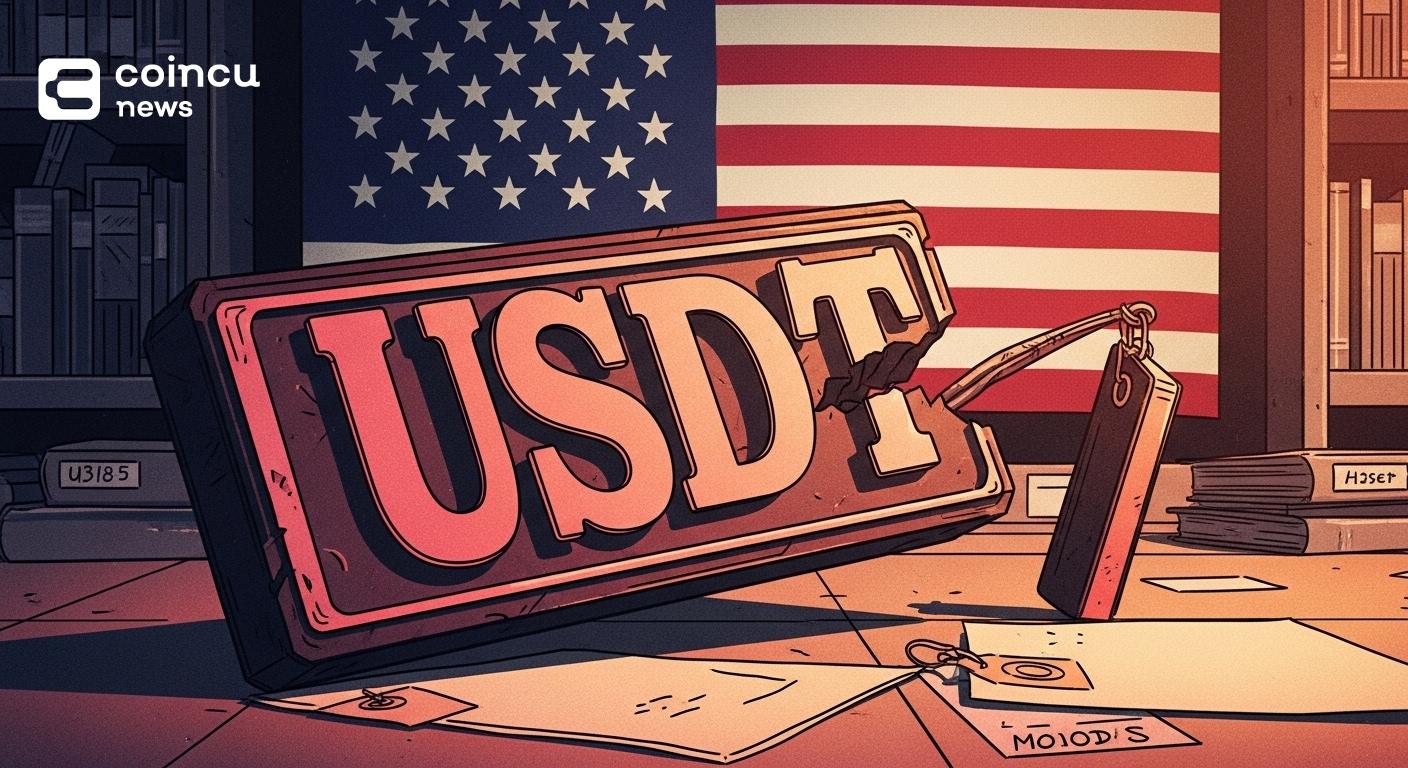
U.S. authorities seized more than $61 million in Tether (USDT) linked to a pig‑butchering investment fraud, underscoring real‑time tracing and issuer coordination. As reported by BeInCrypto, the Eastern District of North Carolina executed the action with assistance from Tether.
The case illustrates how stablecoin issuers can blacklist suspect tokens and how courts can translate blockchain tracing into seizure authority. It also demonstrates the growing operational readiness of U.S. teams to coordinate across exchanges, wallets, and issuers.
For victims, seizure is a first step rather than a guarantee of recovery. Distribution depends on court processes, verified claims, and case‑specific restitution plans.
Extraterritorial jurisdiction and U.S. crypto asset forfeiture explained
According to Dynamis LLP, minimal connections, such as U.S. users, servers, marketing to U.S. investors, or funds touching U.S. banks and exchanges, can establish jurisdictional hooks. Those links allow prosecutors to seek orders against assets abroad.
Even with a sufficient nexus, execution often hinges on cooperation by custodians, stablecoin issuers, or foreign authorities. Practical reach is therefore a blend of legal authority and counterparties’ willingness or obligation to comply.
Public–private tracing: blockchain forensics and firms like Chainalysis
Based on data from Chainalysis, governments worldwide have traced, frozen, and seized illicit crypto at scale, with cases ranging from Silk Road proceeds to ransomware recoveries. Public–private workflows map transaction paths, identify counterparties, and convert analytics into actionable leads.
Typical steps include address clustering, cross‑referencing exchange touchpoints, and coordinating with issuers to restrict movement of identified funds. Mixers and obfuscation tools complicate tracing, but transparent ledgers often preserve investigative momentum.
FAQ about crypto asset forfeiture
What legal tools, criminal, civil, and administrative forfeiture, does the U.S. use to seize virtual assets?
Criminal forfeiture follows prosecution; civil is in rem against property; administrative allows agencies to forfeit smaller amounts after notice, if uncontested.
How do investigators use blockchain forensics to track and freeze USDT tied to pig-butchering scams?
Analysts trace flows on‑chain, link addresses, flag exchange touchpoints, and work with Tether to blacklist identified tokens, enabling rapid freezing once courts authorize action.
| DISCLAIMER: The information on this website is provided as general market commentary and does not constitute investment advice. We encourage you to do your own research before investing. |
Source: https://coincu.com/news/usdt-draws-scrutiny-as-u-s-seizes-61m-in-pig-butchering-case/